

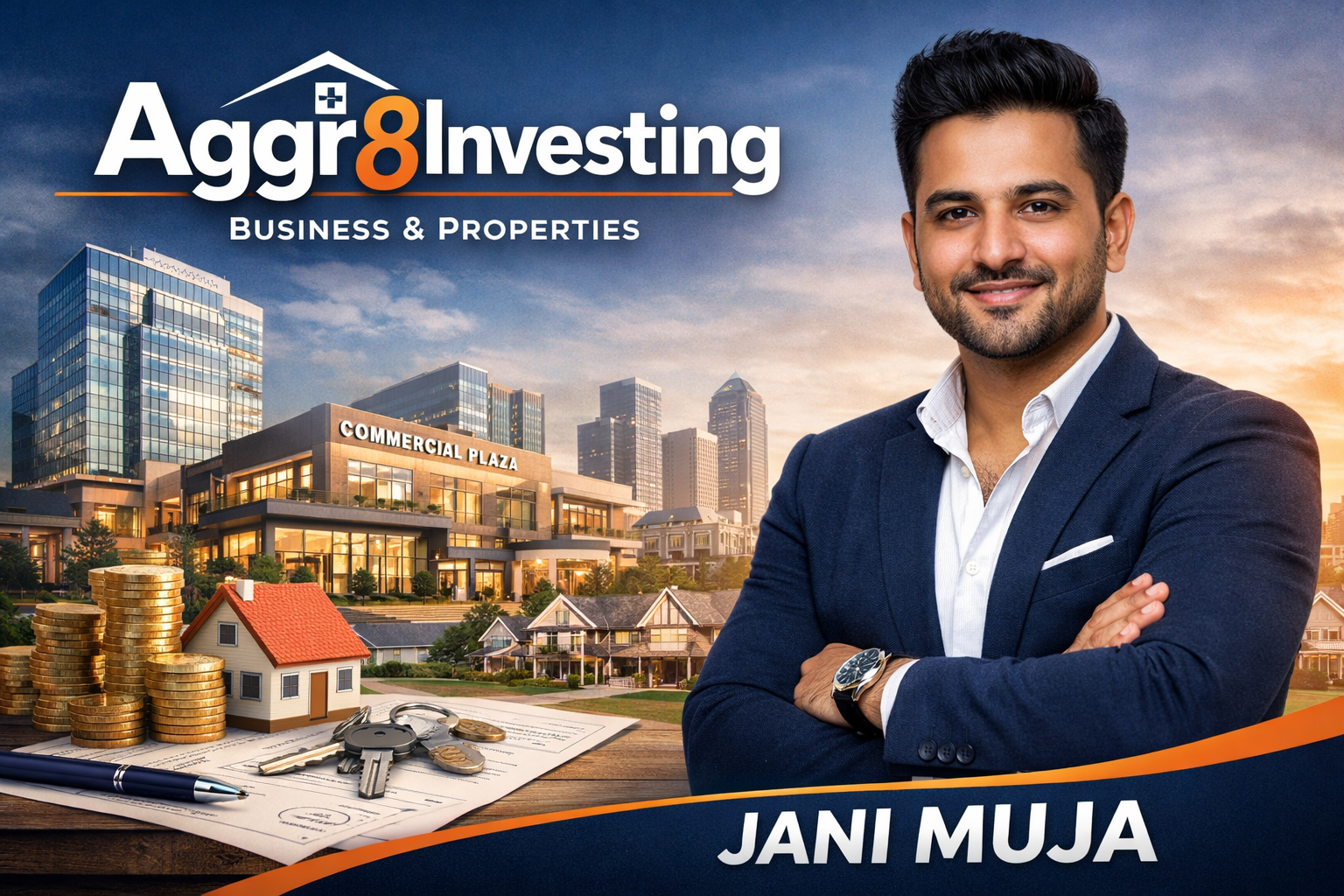
In today’s fast‑paced investment world, real estate remains one of the most powerful pathways to long‑term financial freedom. But the market has grown more complex—properties are expensive, competitors are savvy, and new technologies continue to reshape how we buy, manage, and profit from real estate.
This is where Business Properties Aggr8Investing comes into play.
Aggr8Investing isn’t just another investment buzzword. It represents a fresh mindset: merging property fundamentals with strategic business thinking and modern investment tools. Whether you’re a seasoned investor or someone just starting to explore property as an asset class, understanding the approach behind Aggr8Investing can unlock opportunities you didn’t even know existed.
In this article, we break down the concept, discuss its real‑world applications, and explore why it’s generating buzz among forward‑thinking investors.
Understanding Aggr8Investing: More Than Just a Name

At first glance, the term “Aggr8Investing” might seem like a playful mash‑up of words, but it actually reflects a serious investment philosophy. The word “Aggr8” suggests aggregation, optimization, and synthesis—basically bringing together disparate parts of a system to create something stronger and more efficient.
In the context of real estate, this means viewing business properties not as standalone assets but as interconnected pieces of a larger investment strategy. Instead of buying a single rental and hoping it appreciates, Aggr8Investing pushes you to think bigger: How does that property fit into your overall goals? What synergies exist between multiple locations, tenant types, or revenue streams?
Furthermore, Aggr8Investing emphasizes data‑driven decision making. Rather than relying on gut feelings or old habits, this approach encourages investors to leverage market research, risk models, performance metrics, and economic indicators. In a world where access to information has never been easier, bringing a disciplined analytical mindset to property investing can be a game‑changer.
The philosophy also encourages continuous learning and adaptation. Real estate isn’t static, and neither should your strategies be. Technology, demographics, and economic cycles shift constantly, and Aggr8Investing teaches you to embrace change instead of resisting it.
Why Business Properties Should Be at the Center of Your Investment Strategy
Most beginner investors kick off with residential properties because they’re familiar and feel “safe.” That’s understandable. After all, everyone has lived in a home and experiences the concept of renting from the inside. But business properties—like retail spaces, office buildings, warehouses, and mixed‑use developments—offer advantages that are often overlooked.
One of the most compelling benefits of business properties is higher income potential. Commercial leases are typically longer than residential ones and often come with rent escalations built into the contract. This means more predictable cash flow and reduced turnover risk. When your tenant stays for five, seven, or even ten years, your risk profile changes dramatically.
Another advantage is diversification. Residential markets are influenced heavily by personal income trends and household demand, whereas commercial markets respond to broader business growth, e‑commerce trends, and industrial activity. This diversity can help stabilize your portfolio, especially during periods when one segment of the property market is underperforming.
Business properties also tend to be valued differently. Appraisals for commercial assets weigh income production heavily, which means savvy investors who secure strong tenants and optimize lease structures can see impressive valuation gains without dramatic increases in market rents or occupancy.
Finally, commercial real estate often allows for creative structuring. Think triple net leases (where tenants cover taxes, insurance, and maintenance), sale‑leasebacks (where a company sells its property and leases it back to free up capital), and joint ventures with operators who bring expertise you might lack. These arrangements can align incentives and reduce risks for the investor.
Key Principles Behind Aggr8Investing for Business Properties
If you were to summarize the Aggr8Investing approach in a set of core principles, what would they be? At its heart, this strategy is guided by several key ideas that separate casual investors from those who build real wealth.
First, due diligence isn’t optional—it’s foundational. Too many investors skip proper analysis because it feels time‑consuming or overwhelming. But Aggr8Investing insists you dig deep into every property decision: market trends, tenant financials, local regulations, future development plans, and more. Good deals become great deals when backed by thorough research.
Second, value creation is intentional. It’s not enough to buy a property and cross your fingers. Great investors look for ways to actively improve performance—whether by increasing occupancy rates, reconfiguring space, upgrading amenities, or renegotiating terms. Thinking like a business owner, not a passive landlord, unlocks real value.
Third, risk management is proactive, not reactive. This means building contingency plans, stress‑testing leases and cash flows, diversifying across property types and locations, and maintaining liquidity for unexpected expenses. In other words, you prepare for the worst while planning for the best.
Fourth, relationships matter as much as numbers. Behind every great property deal is a network of brokers, attorneys, contractors, tenants, lenders, and advisors. Aggr8Investing encourages investors to cultivate these connections and create partnerships that open doors—and reduce friction—over time.
Lastly, long‑term vision outweighs short‑term gain. Real estate wealth is rarely built overnight, and successful investors understand that compounding, patience, and strategic positioning often matter more than quick profit.
How to Identify High‑Potential Business Properties
Spotting a good deal is one thing. Spotting a great one is something else entirely.
Start by looking at location fundamentals, the timeless cornerstone of real estate. But don’t just think about foot traffic or proximity to highways. In the age of remote work and digital commerce, think about zoning trends, tech hubs, demographic shifts, and infrastructure development. Areas once overlooked can become hot markets when new jobs, transit lines, or amenities arrive.
Next, examine the tenant profile. Not all tenants are created equal. Strong candidates usually have stable revenue, solid credit history, and a business model that’s resilient to economic cycles. Properties with diversified tenants—rather than reliance on one single occupant—tend to weather market shifts more effectively.
Pay attention to lease structures and terms. Long‑term leases with built‑in rent escalations protect investors against inflation and market fluctuation. Also, leases that shift operating expenses to tenants (like NNN leases) improve predictability and reduce landlord burden.
Another key indicator is functional adaptability. The best business properties offer flexible use cases—spaces that can be repurposed if market demand changes. A warehouse that can host logistics companies as well as light assembly operations, for example, offers more resilience than a property limited to a narrow use.
Lastly, investigate local supply and demand trends. Too many investors focus solely on demand metrics without considering future supply. If a market is going to be flooded with new space in the next few years, rental rates and occupancy could soften significantly. Understanding where the market is headed matters just as much as understanding where it is today.
Financing and Growth Strategies for Aggr8Investing
Smart property investing isn’t just about acquisition—it’s about financing and growth.
The first step is understanding your capital stack. This includes your equity contribution, debt financing, and any alternative funding sources like private partnerships or syndication. A strong capital stack balances risk and return and preserves flexibility for future opportunities.
Traditional loans are still a staple for commercial real estate, but creative financing can give you an edge. Think about seller financing, mezzanine debt, or partnering with capital sources willing to take calculated risks for higher yields. These structures can reduce upfront cash requirements and align interests between investors and lenders.
Another powerful strategy is scaling through portfolio aggregation. Instead of focusing on one property at a time, consider how multiple assets can work together. Bundling properties can improve negotiating power, reduce management complexity, and open doors for institutional financing.
Property performance should always be tracked with metrics like Net Operating Income (NOI), internal rate of return (IRR), cash‑on‑cash return, and capitalization rate. Monitoring these KPIs regularly helps ensure your investments stay on track and provides clarity on when to hold, sell, or refinance.
A forward‑thinking investor also embraces technology—digital property management tools, AI‑powered valuation models, and market analytics platforms—that streamline operations and sharpen decision making.
Challenges You Might Face—and How to Overcome Them
No investment strategy is without challenges, and Aggr8Investing is no exception. Recognizing these hurdles upfront helps you plan smarter and act with confidence.
One common challenge is market cycles. Real estate moves in waves, and downturns can test even the most prepared investor. The key isn’t avoiding cycles—it’s positioning your portfolio to withstand them. Diversification, conservative leverage, and strong tenant selection are your best defenses.
Liquidity can also be a concern. Unlike stocks or bonds, business properties aren’t instantly sellable. It takes time to market, negotiate, and close deals. That’s why maintaining a cash reserve and having access to emergency financing is essential.
Operational hiccups are another reality. From unexpected repairs to tenant disputes, managing property requires patience, skill, and often outside expertise. Building a team you trust—property managers, accountants, attorneys—lightens the load and raises your confidence when things go sideways.
Finally, regulatory and compliance issues can complicate deals. Zoning laws, environmental rules, and tax codes constantly evolve. Staying informed, relying on professionals, and approaching regulation as a competitive advantage rather than a burden can save headaches down the road.
The Future of Business Properties and Aggr8Investing
As we look ahead, several trends point toward a robust future for business property investing.
E‑commerce continues to drive demand for logistics and warehouse space. Flexible office environments and co‑working models are reshaping traditional business hubs. Retail properties are transforming into experience‑centered destinations rather than simple storefronts. These shifts open niches for investors who can read the market intelligently and act strategically.
Technological innovation will continue to influence property investing. Smart buildings, energy efficiency improvements, and predictive analytics will change how properties are valued and operated. Those who embrace these tools early will enjoy a competitive edge and unlock higher returns.
And perhaps most importantly, real estate remains a tangible asset that provides stability in a world increasingly shaped by digital uncertainty. When backed by solid fundamentals and a thoughtful strategy like Aggr8Investing, business properties can deliver both income and long‑term wealth.
Conclusion: Make Your Properties Work Harder—Not Harder on You
Business Properties Aggr8Investing isn’t about a magic formula or a guaranteed “get rich quick” scheme. It’s a mindset: smart, informed, strategic, and anchored in business principles.
By viewing property investing through the lens of aggregation, optimization, and long‑term value creation, you bridge the gap between passive ownership and active wealth building. Real estate markets will continue to evolve, but the core principles of disciplined research, calculated risk, strong tenant relationships, and adaptive strategies will always be your foundation for success.
If you’re ready to upgrade your approach, build a resilient portfolio, and navigate property markets with clarity and confidence, then you’re ready for Aggr8Investing.

