

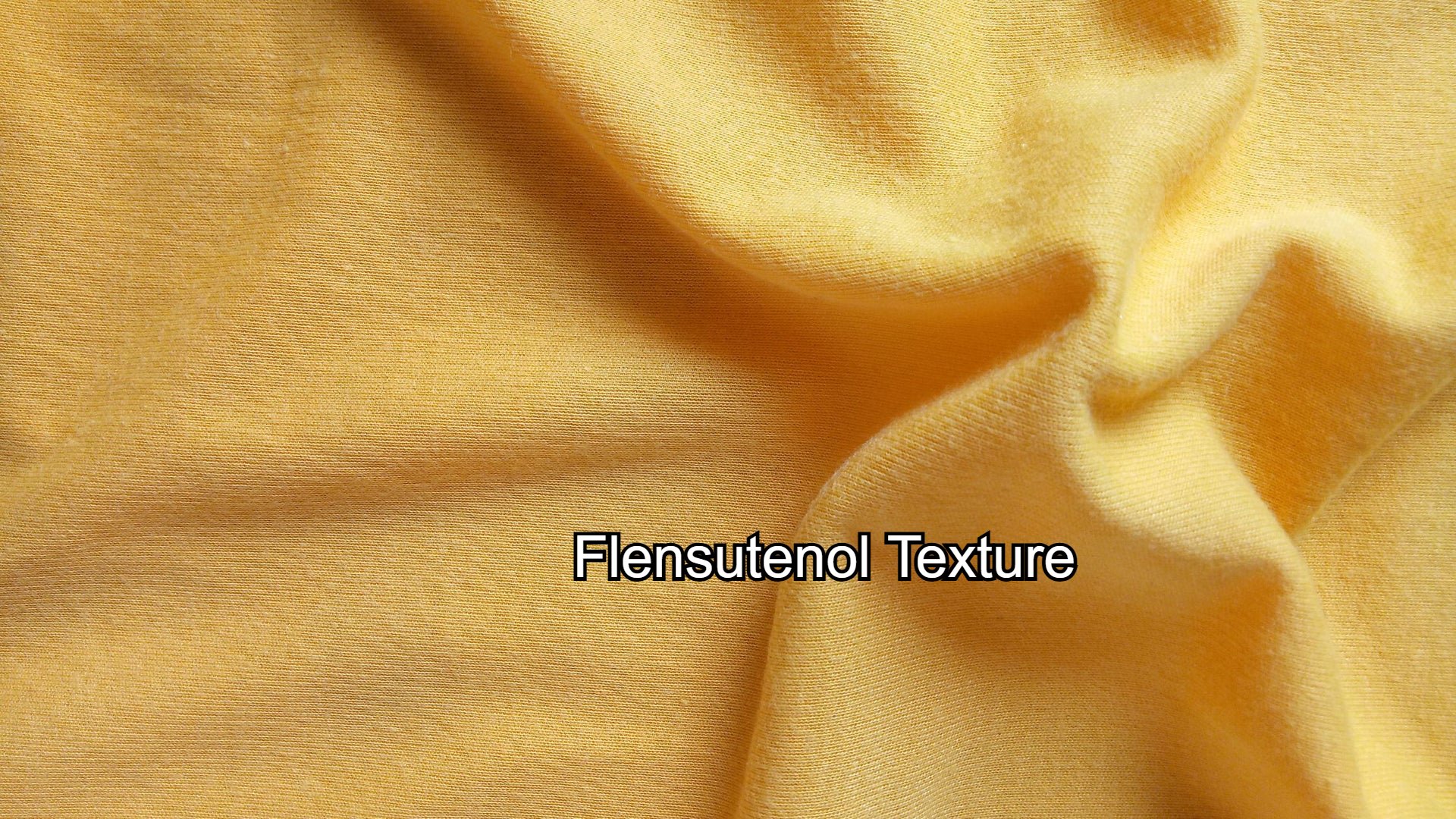
When it comes to specialized materials and their properties, flensutenol texture is one of those niche topics that often confuses even experienced professionals. Though it may sound complex, the reality is that once you break it down into its fundamental aspects—composition, feel, behavior, and applications—it becomes much easier to grasp. In this guide, we’ll dive deep into everything about flensutenol texture, exploring what makes it unique, why it matters in various industries, and how to work with it effectively.
What is Flensutenol and Its Texture?

Flensutenol is a material known primarily for its unusual tactile properties. While the chemical composition itself is intricate, the term “texture” refers to the physical feel and structural surface characteristics that the material exhibits. Unlike standard industrial polymers or metals, flensutenol texture offers a blend of smoothness with subtle granular patterns, giving it a distinct hand feel that many designers and engineers value.
The first noticeable aspect of flensutenol texture is its balance between softness and rigidity. Depending on its formulation, it can feel almost silky under light pressure yet retain structural integrity when more force is applied. This duality makes it highly adaptable for applications where both comfort and durability are required, such as advanced consumer products, ergonomic tools, and specialized coatings.
Another defining characteristic is its visual texture. Under proper lighting, flensutenol surfaces reveal micro-patterns that contribute not just to aesthetics but also functional benefits. These micro-patterns can reduce friction in certain contexts, improve grip, and even affect how heat and moisture interact with the material. Essentially, flensutenol texture isn’t just about feel; it’s a multidimensional property that influences usability in subtle yet impactful ways.
Key Properties of Flensutenol Texture
Understanding flensutenol texture requires dissecting its key physical properties. While there are several attributes to consider, the most relevant include surface smoothness, elasticity, micro-patterns, and tactile response. Each of these contributes to the material’s overall performance.
Surface Smoothness:
One of the most striking things about flensutenol texture is its ability to feel smooth while still providing subtle resistance. Unlike materials that are either slippery or overly rough, flensutenol finds a perfect middle ground. This makes it highly desirable in applications where grip control is essential without compromising comfort. For example, handheld devices or sports equipment benefit greatly from this balanced surface characteristic.
Elasticity and Flexibility:
Flensutenol’s texture isn’t just about surface touch; it’s inherently tied to the material’s flexibility. The texture can slightly deform under pressure, providing a cushioned feel without permanent compression. This property is especially valuable in wearable products or cushioning layers in industrial settings. Users often describe it as a “responsive” texture, meaning it reacts to touch in a controlled, predictable manner, enhancing user experience.
Micro-Patterns and Structural Design:
A deeper look at flensutenol texture reveals micro-patterns that play functional roles beyond aesthetics. These patterns can improve airflow over the material, reduce stickiness, or increase surface grip. Designers and engineers often use these patterns strategically, manipulating them to enhance specific performance characteristics depending on the intended application.
Tactile Response:
Ultimately, what sets flensutenol texture apart is its tactile response—the way it communicates information to the hand. Unlike materials that feel uniform or monotonous, flensutenol subtly changes its response based on pressure, angle, and temperature. This adaptive feel is why it’s gaining popularity in products where user comfort and interface feedback are critical.
Applications of Flensutenol Texture
Flensutenol texture has found a place in several industries due to its unique combination of softness, micro-patterned structure, and adaptive tactile response. Its versatility allows designers and engineers to use it creatively, from consumer electronics to advanced industrial tools.
Consumer Electronics:
In devices like smartphones, tablets, and wearable tech, flensutenol surfaces are often applied to touch interfaces or outer casings. The texture improves grip without compromising the sleek design, reducing accidental slips and providing a more premium tactile experience. Additionally, its slight elasticity absorbs minor impacts, protecting sensitive components.
Medical and Ergonomic Tools:
Flensutenol texture is increasingly used in ergonomic grips, surgical tools, and medical devices. Its softness reduces strain on hands during prolonged use, while the micro-patterns improve control and precision. Medical professionals appreciate how the material balances hygiene (it can be sterilized without texture degradation) with tactile performance.
Sports and Fitness Equipment:
From grips on tennis racquets to handles on gym machines, flensutenol texture enhances performance by offering a combination of comfort and control. Its responsive feel allows athletes to maintain a secure hold even under sweaty or high-stress conditions, while the slight cushioning reduces fatigue over long sessions.
Specialized Coatings and Surfaces:
Industries that require anti-slip or heat-resistant coatings often turn to flensutenol. The micro-patterned texture not only improves friction but also helps with moisture management and temperature regulation. Applications can range from flooring surfaces to protective panels in vehicles and machinery.
How to Work with Flensutenol Texture
Working with flensutenol texture requires understanding both the material properties and the processing techniques. Unlike conventional materials, achieving the desired texture involves careful attention to formulation, curing processes, and surface treatment.
Formulation Considerations:
The base chemical composition dictates the final tactile qualities. Small variations in polymer ratios, cross-linking agents, or filler materials can significantly affect softness, elasticity, and micro-pattern formation. Experts often experiment with different blends to achieve a balance that meets both functional and aesthetic requirements.
Processing Techniques:
Molding, casting, and extrusion are common methods for shaping flensutenol while preserving its texture. Surface treatments like texturing rollers, laser etching, or embossing can enhance micro-patterns and fine-tune tactile properties. Temperature control during processing is critical, as excessive heat can degrade the subtle textures that define flensutenol.
Quality Control:
Since flensutenol texture is closely tied to user experience, quality control is essential. This involves testing surface roughness, elasticity, and grip performance across different batches. Consistency is particularly important in high-end applications, such as medical devices or luxury electronics, where any deviation in texture can affect usability and perception.
Maintenance and Longevity
Maintaining flensutenol texture is relatively straightforward, but it does require some care to preserve its unique characteristics. Unlike hard plastics or metals, flensutenol can be sensitive to harsh chemicals or prolonged exposure to extreme temperatures.
Cleaning and Care:
Mild cleaning agents and soft cloths are recommended. Abrasive cleaners can damage the micro-patterns, altering both appearance and tactile response. Routine cleaning helps maintain the material’s softness and grip properties over time.
Environmental Considerations:
Flensutenol texture performs best in moderate environments. While it is resistant to standard wear and tear, excessive heat or prolonged UV exposure can cause slight hardening or discoloration. For outdoor applications, protective coatings can be applied to extend lifespan without compromising texture.
Longevity in Applications:
One of the reasons flensutenol is valued in premium products is its durability. Even with repeated use, its adaptive tactile response remains largely intact. This makes it ideal for items that require long-term touch interaction, such as handles, grips, or wearable devices.
Future Trends in Flensutenol Texture
As industries increasingly prioritize user experience and material innovation, flensutenol texture is gaining attention for its unique qualities. Several trends suggest how its use may evolve in the coming years.
Integration with Smart Materials:
Flensutenol is being explored in combination with smart materials, such as responsive polymers that change properties with temperature or pressure. This could lead to surfaces that adjust grip or softness dynamically, enhancing both comfort and performance.
Sustainability Efforts:
Research is underway to develop more eco-friendly formulations of flensutenol without compromising texture. Biodegradable or recyclable variants are particularly appealing to industries aiming to reduce environmental impact while maintaining premium feel and performance.
Expansion in Consumer Products:
Beyond industrial and medical applications, flensutenol texture is expected to become a feature in lifestyle products. High-end furniture, wearable devices, and even automotive interiors are likely to adopt it for its combination of tactile comfort, aesthetic appeal, and durability.
Conclusion
Flensutenol texture represents a fascinating intersection of material science, design, and user experience. Its unique combination of smoothness, micro-patterns, elasticity, and tactile responsiveness makes it highly versatile across industries. Whether in consumer electronics, medical tools, sports equipment, or specialty coatings, flensutenol provides both functional performance and premium feel.
Understanding the nuances of flensutenol texture—from formulation and processing to maintenance and future trends—is key for anyone looking to leverage its potential. As technology and material science continue to evolve, the demand for materials that provide superior tactile experience is likely to grow, and flensutenol texture will remain at the forefront of this exciting development.
By appreciating its properties, applications, and handling requirements, professionals can make the most of this remarkable material, ensuring products that feel as good as they perform.

