

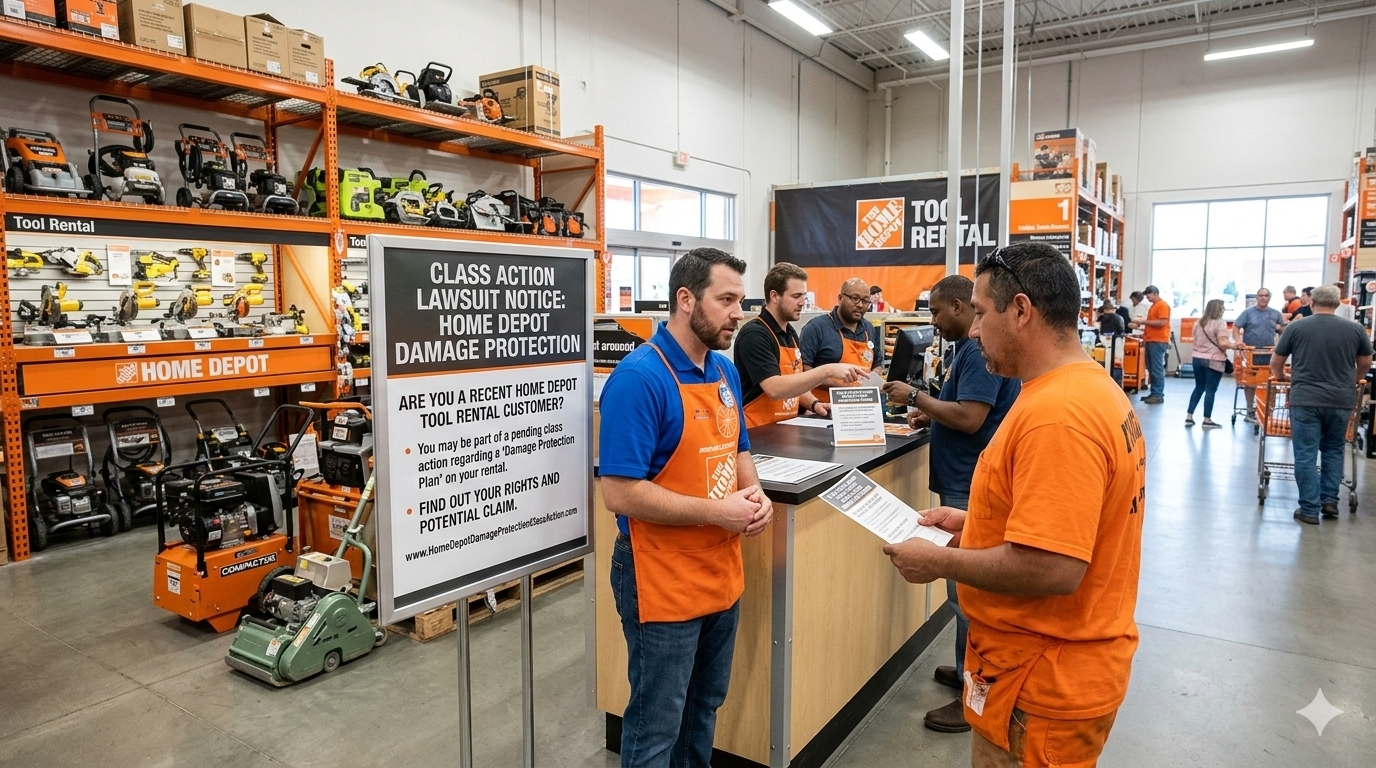
Understanding the Home Depot Damage Protection Program
When you buy tools or equipment from Home Depot, you’ve probably seen the option to add a damage protection plan at checkout. It’s often marketed as a safety net—something that gives you peace of mind if your product breaks, malfunctions, or suffers accidental damage. On the surface, it sounds like a smart move, especially for expensive tools or appliances.
These protection plans typically promise coverage beyond the manufacturer’s warranty. That means if something goes wrong due to wear and tear or accidental damage, you can get repairs, replacements, or even store credit. For many customers, this feels like a no-brainer, particularly for professionals who rely on their equipment daily.
However, over time, some customers began to question whether these plans truly delivered what they promised. Complaints started to surface about denied claims, unclear terms, and difficulties in getting repairs or replacements approved. This growing dissatisfaction eventually led to legal action, including what is now known as the Home Depot Damage Protection Class Action.
What Sparked the Class Action Lawsuit?

The Home Depot Damage Protection Class Action didn’t appear out of nowhere. It was fueled by a pattern of customer complaints that pointed to potential systemic issues in how these protection plans were marketed and administered.
Many customers alleged that they were misled about what the protection plans actually covered. For example, some believed they were protected against accidental damage, only to find their claims denied due to fine print exclusions. Others reported long delays, complicated claim processes, or being redirected between third-party providers and the retailer without resolution.
At the heart of the lawsuit are claims that the protection plans may have been deceptively marketed. Customers argue that the coverage sounded comprehensive during the sales process but turned out to be far more limited in practice. This gap between expectation and reality is what often triggers class action lawsuits, especially when a large number of consumers are affected in similar ways.
Key Allegations Against Home Depot
The class action lawsuit raises several important allegations that are worth understanding if you’ve ever purchased—or are considering purchasing—a protection plan.
First, there are claims of misleading advertising. Plaintiffs argue that the benefits of the damage protection plans were overstated, making them appear more valuable than they actually were. This includes the suggestion that repairs or replacements would be quick and hassle-free, which some customers say was not their experience.
Second, the lawsuit highlights issues with claim denials. Customers have reported that legitimate claims were rejected based on technicalities or exclusions that were not clearly explained at the time of purchase. This has led to frustration and a sense that the protection plan was not worth the cost.
Third, there are concerns about third-party administrators. In many cases, these protection plans are not handled directly by Home Depot but by external companies. This can create confusion about who is responsible for honoring claims and may lead to inconsistent service quality.
How Class Action Lawsuits Work in This Context
If you’re not familiar with class action lawsuits, they might sound more complicated than they actually are. In simple terms, a class action allows a group of people with similar complaints to sue a company collectively rather than individually.
In the case of the Home Depot Damage Protection Class Action, affected customers are grouped together as “plaintiffs.” Instead of each person filing a separate lawsuit, one or a few individuals represent the entire group. This approach is more efficient and ensures that even customers with smaller claims can seek justice.
These lawsuits typically aim for compensation, policy changes, or both. If successful, the outcome might include refunds for protection plans, reimbursement for denied claims, or changes to how the plans are marketed and administered. Sometimes, companies may also agree to settlements without admitting wrongdoing.
Who May Be Eligible to Join the Lawsuit?
If you’ve purchased a damage protection plan from Home Depot, you might be wondering whether you’re eligible to be part of the class action.
Eligibility usually depends on a few key factors. First, you must have purchased the protection plan within a specific time frame defined by the lawsuit. Second, you may need to demonstrate that you experienced issues—such as a denied claim, misleading information, or difficulty using the plan.
It’s important to note that you don’t always need to take action to be included. In many cases, eligible customers are automatically part of the class unless they choose to opt out. However, staying informed is crucial. Notices about class actions are often sent via email or mail, but they can sometimes be overlooked.
Potential Outcomes and What They Mean for Consumers
One of the most common questions people have is: “What happens if the lawsuit succeeds?” The answer can vary, but there are several possible outcomes that could benefit consumers.
Financial compensation is one of the most straightforward results. This could include partial or full refunds for protection plans, reimbursement for repair costs, or compensation for denied claims. While individual payouts may not always be large, they can still provide some relief.
Another potential outcome is policy reform. Companies involved in class actions often revise their practices to avoid future legal issues. This could mean clearer terms and conditions, improved customer service, or more transparent marketing for protection plans.
Finally, there’s the broader impact on consumer awareness. Lawsuits like this tend to shine a spotlight on industry practices, encouraging customers to read the fine print and ask more questions before making purchases.
Tips for Consumers Considering Protection Plans
Even if you’re not directly involved in the Home Depot Damage Protection Class Action, there are some valuable lessons to take away from it.
First, always read the terms and conditions carefully. Protection plans can vary widely in what they cover, and the details matter more than the marketing. Look for exclusions, claim procedures, and any limitations that could affect your ability to use the plan.
Second, keep all your documentation. Receipts, warranty information, and communication records can be crucial if you ever need to file a claim or join a lawsuit. Having everything organized makes the process much smoother.
Third, consider whether the protection plan is truly necessary. In some cases, the manufacturer’s warranty or your credit card benefits may already provide sufficient coverage. Taking a few minutes to evaluate your options can save you money and frustration later.
Final Thoughts on the Home Depot Damage Protection Class Action
The Home Depot Damage Protection Class Action is a reminder that even well-known companies like Home Depot are not immune to scrutiny. While protection plans can be useful, they must deliver on their promises to maintain customer trust.
For consumers, this situation highlights the importance of being informed and proactive. Understanding what you’re buying—and what you’re entitled to—can make a big difference in your overall experience.
As the case unfolds, it will be interesting to see how it shapes the future of retail protection plans. Whether through compensation, policy changes, or increased transparency, the outcome has the potential to benefit not just current customers but future ones as well.

