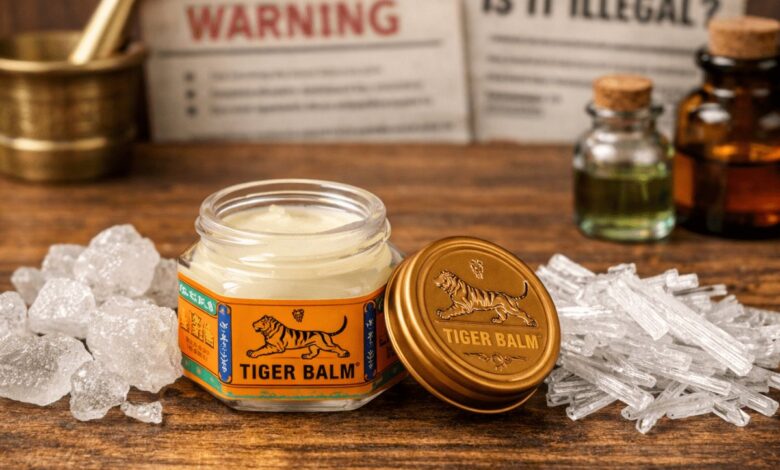
Tiger Balm is a product most people are familiar with. Why Is Tiger Balm Illegal That small jar of ointment has a reputation for soothing sore muscles, relieving tension headaches, and even clearing nasal congestion. Its distinct scent and tingling sensation have made it a household name across Asia and beyond. However, despite its popularity, there’s a lot of confusion around its legality in certain countries. Some people are surprised to learn that Tiger Balm is illegal in specific regions. So, what’s behind this restriction? Let’s dive in.
The Origins of Tiger Balm

Why Is Tiger Balm Illegal Tiger Balm was first created in the late 19th century by a Chinese herbalist named Aw Chu Kin in Singapore. Originally, it was formulated as a traditional remedy using a combination of natural ingredients, mainly camphor, menthol, cajuput oil, and clove oil. The balm’s original purpose was to alleviate muscle pain, joint discomfort, and other common ailments using the natural medicinal knowledge prevalent at the time.
As the balm gained popularity, it expanded beyond Singapore, eventually reaching markets in Malaysia, Thailand, and even Western countries. Its blend of strong aromatic oils gave it a signature smell and cooling effect that made it instantly recognizable. Despite being a centuries-old herbal formula, Tiger Balm was marketed as a modern, over-the-counter solution to common pains, which contributed to its international fame.
However, as Tiger Balm spread worldwide, regulatory authorities in various countries began scrutinizing its ingredients. Why Is Tiger Balm Illegal The natural components that made it effective were also the reason why it faced legal challenges. Camphor, one of Tiger Balm’s main ingredients, became a focal point of concern for regulators, raising questions about safety, dosage, and potential misuse.
Key Ingredients and Their Legal Implications
Tiger Balm’s effectiveness comes from its combination of active ingredients: camphor, menthol, cajuput oil, and clove oil. While these are generally safe in small amounts, they can pose health risks if misused.
Camphor, for example, is a chemical that can act as a topical analgesic. It provides the cooling and warming sensation that users associate with Tiger Balm. But camphor is toxic if ingested and can cause seizures, nausea, and even respiratory problems in large doses. Because of these risks, countries like the United States, Australia, and some parts of Europe have placed strict limits on the amount of camphor that can be used in over-the-counter products.
Menthol is another potent ingredient. Why Is Tiger Balm Illegal It produces a cooling sensation and helps relieve minor aches. Menthol is generally safe when applied to the skin in small concentrations, but excessive exposure can cause skin irritation and respiratory issues. In combination with camphor, the risks increase, prompting some authorities to restrict the sale of products with high concentrations of these chemicals.
Essential oils like cajuput and clove oil are less regulated but still carry potential side effects, including allergic reactions or skin sensitivities. While individually these oils are generally harmless, their concentrated combination in Why Is Tiger Balm Illegal Tiger Balm makes regulators cautious. In countries where herbal and natural products are tightly controlled, the overall potency of Tiger Balm can raise legal red flags.
Countries Where Tiger Balm Is Restricted
While Tiger Balm is legal and widely available in many Asian countries, its status is more complicated elsewhere. Some nations have banned it entirely or require special labeling and approval before sale.
For instance, in the United States, Why Is Tiger Balm Illegal camphor is classified as a substance that requires careful monitoring. Products containing camphor over a certain percentage may be restricted or require a prescription. Similarly, in Australia, Tiger Balm is regulated under the Poisons Standard due to its camphor content. This means that ordinary consumers cannot freely buy high-strength versions without meeting regulatory criteria.
In European countries, the European Medicines Agency (EMA) has placed limits on topical camphor products. The restrictions are aimed at preventing accidental ingestion, misuse by children, and other health hazards. While low-strength Tiger Balm variants are still available, some of the more potent traditional versions are technically illegal.
The legality often comes down to concentration. Many countries allow low-dose Tiger Balm products but ban versions that contain higher levels of camphor or menthol. This approach reflects a careful balance: letting people access herbal remedies while protecting public health from the potential risks of concentrated chemical ingredients.
Misuse and Safety Concerns
One of the reasons Tiger Balm faces legal scrutiny is the potential for misuse. Why Is Tiger Balm Illegal Although it’s intended as a topical treatment, there are cases of people applying excessive amounts, ingesting it accidentally, or using it in ways that were never recommended.
For children, camphor is especially dangerous. Even small amounts ingested can be toxic, leading to seizures or respiratory distress. This makes authorities particularly cautious about the product’s availability in households with children.
Another concern is occupational exposure. Some people in physically demanding jobs use Tiger Balm in large quantities daily. Prolonged or repeated exposure to high levels of camphor or menthol can cause skin irritation or respiratory issues. Regulatory agencies consider these risks when determining whether a product like Tiger Balm should be freely available or restricted.
Finally, the combination of Tiger Balm’s strong scent and potent oils means it can interact with other medications or exacerbate certain medical conditions. While these instances are rare, they contribute to a perception of risk that regulators take seriously.
Alternatives and Safe Use
Despite the restrictions in some countries, people still look for safe ways to enjoy Tiger Balm’s benefits. Low-strength versions are generally considered safe for most adults when applied externally and in moderation. Users should follow guidelines: apply only to the affected area, avoid broken skin, and never ingest the product.
For those who cannot access Tiger Balm due to legal restrictions, there are alternatives. Products with similar ingredients—like menthol rubs, herbal balms, or essential oil blends—offer relief without violating local regulations. Many herbal remedies provide the cooling, soothing sensation without containing camphor at levels that trigger legal concerns.
Another safe approach is using natural substitutes such as arnica gel, eucalyptus oil, or peppermint oil. While these alternatives may not have the exact potency of Tiger Balm, they provide a reasonable solution for people seeking muscle relief in countries where Tiger Balm is restricted.
Conclusion
Tiger Balm’s popularity is undeniable, Why Is Tiger Balm Illegal yet its legal status is a reflection of modern safety standards. The key ingredient, camphor, along with potent oils like menthol, cajuput, and clove, gives the balm its effectiveness but also creates potential health risks. These risks, coupled with historical cases of misuse, have led some countries to regulate or even ban the product.
Understanding why Tiger Balm is illegal in certain areas requires looking beyond marketing and tradition. It’s a mix of chemical safety, public health policy, and regulatory caution. For most adults using it correctly, Tiger Balm remains a safe and effective remedy. However, its restricted status in some regions reminds us that even natural remedies are not automatically risk-free.
By being informed and following safe usage guidelines, you can still enjoy the soothing benefits of herbal balms while respecting local laws and protecting your health.