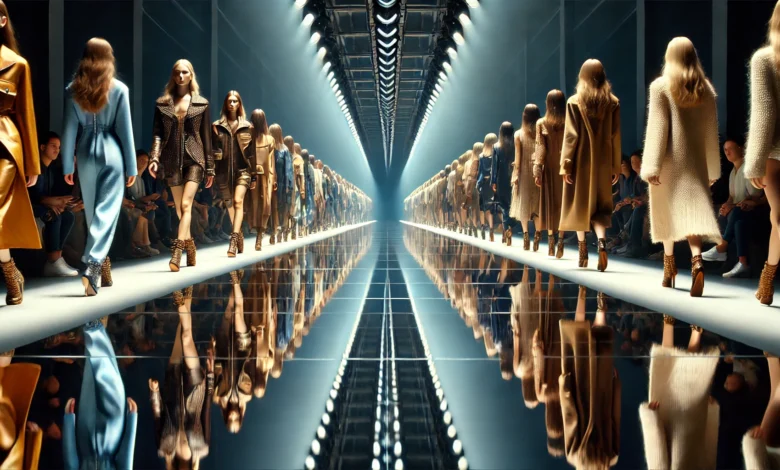
The phrase backtofrontshow might sound unconventional at first, but that is exactly the point. In a world saturated with predictable formats and repetitive content structures, the concept of backtofrontshow flips expectations—literally and creatively. Instead of starting at the beginning and moving forward, this approach challenges traditional storytelling, performance design, and audience engagement.
What makes backtofrontshow so compelling is not just its novelty. It is the psychology behind it. Humans are naturally curious. When you present the ending first or reveal results before causes, you instantly trigger analytical thinking. The audience leans in. They want to understand how everything connects. This structure transforms passive viewers into active participants.
From live performances to digital media formats, backtofrontshow represents a fresh wave of creative disruption. It encourages creators to rethink pacing, suspense, and narrative flow. And when executed properly, it does not just entertain—it captivates, educates, and leaves a lasting impression.
What Exactly Is BackToFrontShow?
At its core, backtofrontshow is a format where events unfold in reverse order or where the conclusion is presented before the journey. Instead of building up to a climax, the climax becomes the starting point. This approach may seem counterintuitive, but it is rooted in sophisticated storytelling techniques that have been quietly used in cinema, literature, and theater for years.
One of the key advantages of this structure is its ability to eliminate predictability. When audiences already know the outcome, the focus shifts. Instead of wondering what will happen, they begin asking how and why it happened. This subtle shift dramatically increases engagement because the viewer becomes a detective piecing together clues.
Backtofrontshow also encourages depth over spectacle. Since the ending is already known, the emotional power must come from context, character development, and layered storytelling. This forces creators to sharpen their craft. Lazy storytelling does not survive in a reverse-structured format. Only carefully planned narratives truly shine.
Why BackToFrontShow Works So Well
The success of backtofrontshow lies in human psychology. Our brains are wired to seek patterns and explanations. When we see a result without context, our minds immediately begin filling in gaps. This cognitive tension keeps viewers mentally invested throughout the experience.
Another reason it works is emotional amplification. Imagine witnessing the final outcome of a dramatic event at the very beginning. You already understand the stakes. As the story unfolds backward, every small detail carries more weight. Every interaction feels significant because you know where it leads.
Additionally, backtofrontshow breaks monotony. Modern audiences consume massive amounts of content daily. Traditional storytelling structures, while effective, can feel repetitive. By reversing the order, creators introduce novelty without sacrificing substance. It feels fresh, yet intellectually satisfying.
From a professional standpoint, this structure also builds credibility. When an audience recognizes the complexity behind a reverse narrative, it automatically elevates the perceived quality of the production. It signals thoughtful planning and creative confidence.
The Creative Challenges Behind BackToFrontShow
While the concept sounds exciting, executing a backtofrontshow is not easy. In fact, it demands more strategic planning than a conventional format. When you start with the ending, every preceding moment must logically connect without contradictions or weak transitions.
One major challenge is maintaining suspense. Traditional storytelling relies on building toward an unknown outcome. In backtofrontshow, suspense must come from revelation instead of anticipation. Creators must carefully control how much information is revealed at each step to avoid overwhelming or confusing the audience.
Another difficulty lies in emotional pacing. Since the most intense moment appears at the beginning, the rest of the show must sustain interest without feeling like a slow decline. This requires layered storytelling—subplots, character motivations, hidden details, and thematic depth all play crucial roles.
Despite these challenges, the payoff is significant. When executed correctly, backtofrontshow feels intelligent, immersive, and unforgettable. It rewards attentive viewers and encourages repeat engagement, as audiences often revisit the content to catch missed nuances.
BackToFrontShow in Different Industries
The beauty of backtofrontshow is its versatility. It is not limited to one medium or genre. In entertainment, it can be used in live theater, television series, films, and even stand-up comedy sets. Imagine a performance that opens with a dramatic finale and then slowly unpacks how everything unfolded.
In education and corporate presentations, the format is equally powerful. Starting with results—such as a major breakthrough or final statistic—can instantly grab attention. From there, the presenter walks the audience backward through the research, decisions, and strategies that led to that outcome. This keeps listeners engaged and curious.
Even in marketing, backtofrontshow has enormous potential. Brands can reveal the final product experience first and then showcase the craftsmanship, innovation, and behind-the-scenes effort that brought it to life. This structure highlights value in a compelling way, making the journey as appealing as the destination.
Digital creators on social media platforms are already experimenting with reverse storytelling. Short-form content especially benefits from immediate impact. By leading with the payoff, creators hook viewers within seconds—a crucial factor in today’s fast-scrolling culture.
The Audience Experience: Why It Feels Different
Experiencing a backtofrontshow feels fundamentally different from traditional formats. There is an immediate sense of intrigue. Instead of easing into the story, you are thrown directly into its peak. This demands attention from the very first moment.
The emotional journey also shifts. Rather than building suspense toward a climax, viewers process meaning retroactively. They reassess earlier scenes based on what they already know. This layered understanding often makes the experience feel richer and more intellectually satisfying.
Another unique aspect is replay value. Because the narrative unfolds in reverse, subtle details often gain significance only after the full context is understood. Audiences frequently revisit the content to uncover hidden connections. This increases engagement time and deepens loyalty.
Ultimately, backtofrontshow creates a more interactive mental experience. Even though the format may appear unconventional, it aligns perfectly with how humans naturally analyze information—by constantly connecting cause and effect.
How to Create a Successful BackToFrontShow
If you are considering developing a backtofrontshow, planning is everything. Start by clearly defining the final outcome. This endpoint must be strong, emotionally impactful, or intellectually stimulating enough to anchor the entire experience.
Next, map out the causal chain in reverse. Identify every step that logically leads to the conclusion. Each segment should reveal new insight rather than simply filling time. Precision is critical here. Gaps in logic become far more noticeable in reverse storytelling.
It is also essential to maintain clarity. While complexity is part of the appeal, confusion is not. Smooth transitions, subtle callbacks, and consistent thematic threads help guide the audience seamlessly through the reversed timeline.
Finally, test the flow. Reverse formats can sometimes feel disjointed if pacing is off. Seek feedback and refine transitions. When structured carefully, backtofrontshow transforms from a clever concept into a powerful storytelling engine.
The Future of BackToFrontShow
As audiences become more sophisticated and selective, innovative formats like backtofrontshow will continue to grow in popularity. Viewers crave experiences that challenge them without overwhelming them. Reverse storytelling hits that sweet spot.
Technological advancements will likely amplify its impact. Interactive platforms, virtual reality, and nonlinear streaming models naturally complement reverse narratives. The more control audiences gain over content navigation, the more relevant this format becomes.
Most importantly, backtofrontshow encourages creative bravery. It pushes writers, directors, presenters, and performers to move beyond formulaic structures. And in doing so, it keeps storytelling alive, evolving, and intellectually stimulating.
In a content-driven world where attention is currency, standing out is not optional—it is essential. Backtofrontshow is not just a format. It is a mindset. It invites creators to start with impact, design with intention, and trust the audience’s intelligence.