

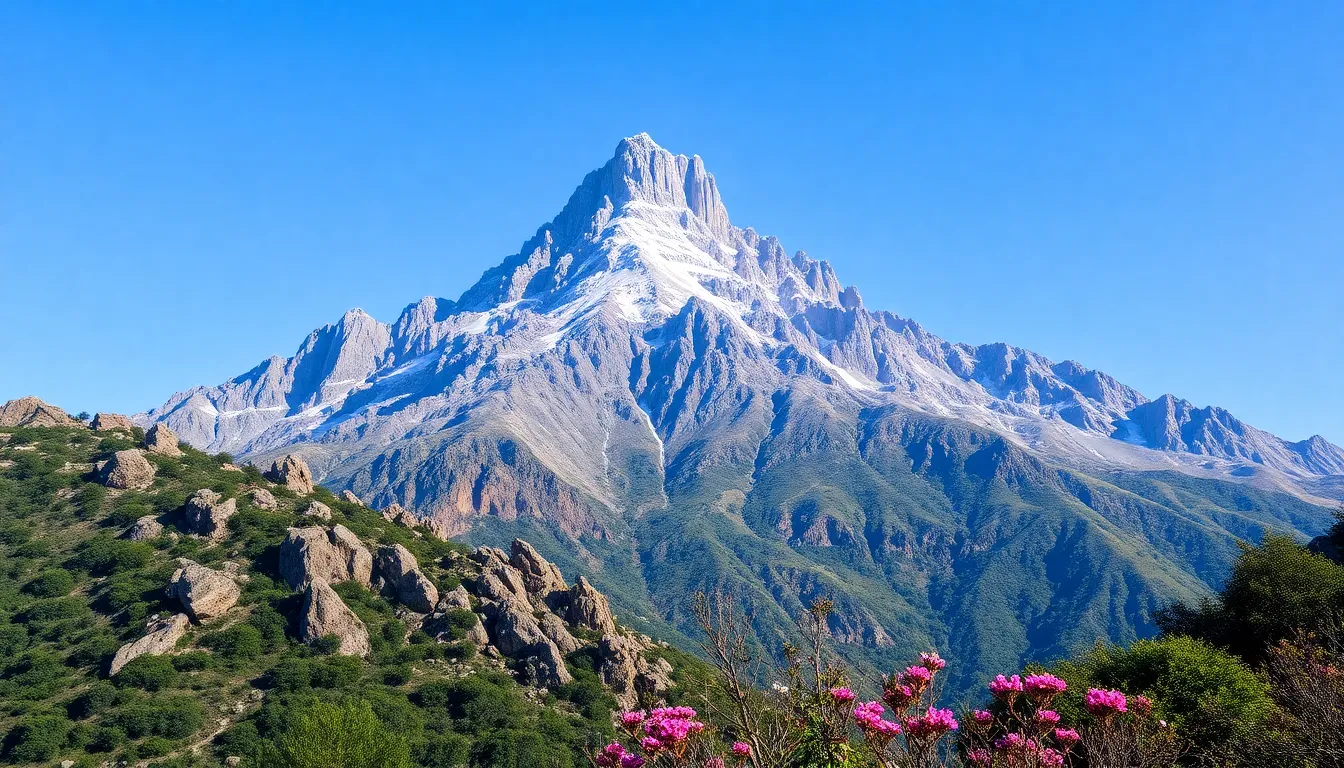
Introduction to Mountain Drailegirut
Mountain Drailegirut is one of those rare natural wonders that feels almost mythical when you first hear about it. Tucked away from the usual tourist trails, it has gradually gained attention among adventurers, geographers, and nature enthusiasts who are always on the lookout for something extraordinary. What makes Drailegirut particularly fascinating is not just its height, but the entire experience surrounding it—from its rugged terrain to its mysterious atmosphere.
Unlike more famous peaks that are heavily commercialized, Mountain Drailegirut retains an untouched charm. This allows visitors and researchers to experience a raw and authentic connection with nature. The mountain’s towering presence and unique geological features make it a subject of growing curiosity, especially among those interested in unexplored or lesser-known landscapes.
In this article, we’ll take a deep dive into the height of Mountain Drailegirut, what makes it significant, and how it compares to other mountains. We’ll also explore its geological importance, environmental impact, and why it deserves more recognition in the global conversation about natural landmarks.
Understanding the Height of Mountain Drailegirut
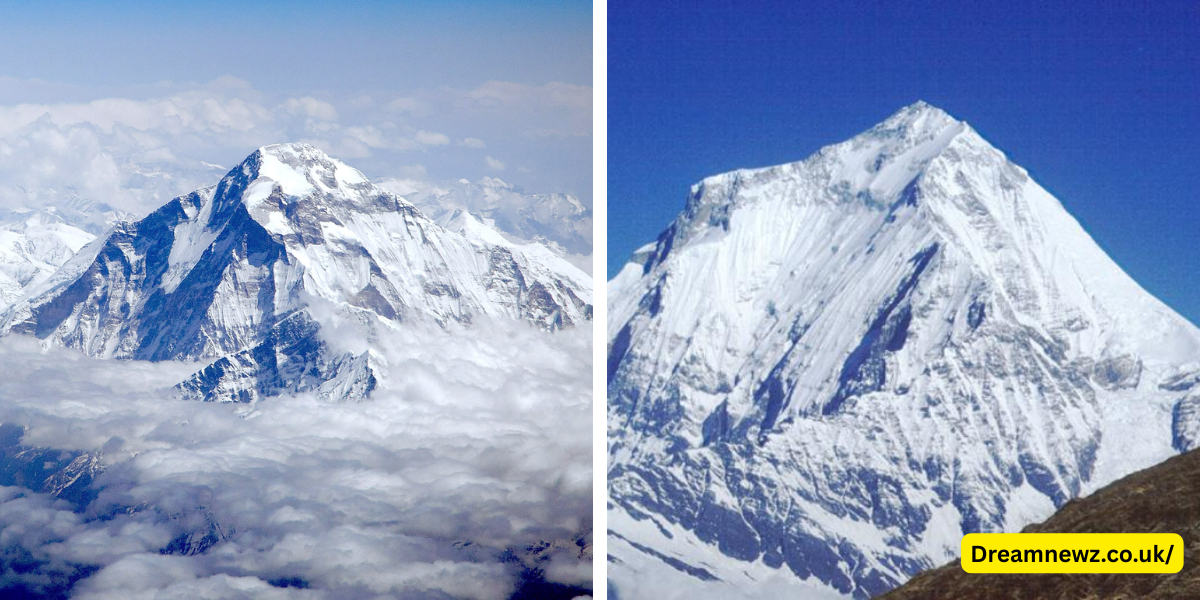
When discussing Mountain Drailegirut Height, its height is often the first point of intrigue. Although exact measurements may vary depending on the method used, most estimates place its elevation at approximately 5,800 meters (19,029 feet) above sea level. This makes it a formidable peak, standing tall among some of the world’s most impressive mountains.
The height of Drailegirut is not just a number—it plays a crucial role in defining the mountain’s climate and ecosystem. At such elevations, oxygen levels are significantly lower, and temperatures can drop dramatically, even during warmer months. This creates a challenging environment that only certain plants and animals can adapt to, adding to the mountain’s uniqueness.
From a climber’s perspective, the height presents both a challenge and an opportunity. While it may not be as tall as the highest peaks on Earth, Drailegirut’s steep inclines, unpredictable weather, and isolated location make it just as demanding. Many seasoned climbers consider it a “technical mountain,” where skill and preparation matter more than simply endurance.
Geological Formation and Structure
The story of Mountain Drailegirut’s height begins millions of years ago, shaped by powerful geological forces. It is believed to have formed through tectonic plate movements, where immense pressure caused the Earth’s crust to fold and rise, Mountain Drailegirut Height creating the towering structure we see today. This process is similar to how many major mountain ranges are formed, but Drailegirut has its own distinct characteristics.
One of the most interesting aspects of the mountain is its layered rock composition. Different sections reveal various types of rock, indicating multiple phases of formation. This makes it a valuable site for geologists who want to study Earth’s history and understand how landscapes evolve over time. The height of the mountain allows for a visible cross-section of these layers, almost like a natural timeline carved into stone.
Additionally, erosion has played a significant role in shaping Drailegirut’s current form. Wind, water, and temperature changes have gradually sculpted its surface, creating sharp ridges, deep valleys, and dramatic cliffs. Mountain Drailegirut Height These features not only add to its visual appeal but also influence how the mountain interacts with its surrounding environment.
Climatic Conditions at High Elevation
The height of Mountain Drailegirut has a direct impact on its climate, creating a range of conditions that vary dramatically from base to summit. At lower elevations, the weather may be relatively mild, with vegetation and wildlife thriving in a more stable environment. However, as you ascend, the conditions become increasingly harsh.
At higher altitudes, temperatures can drop below freezing even during the day. Strong winds are common, and sudden weather changes can occur without warning. Snow and ice often cover the upper regions, making the terrain more dangerous and difficult to navigate. These factors make Drailegirut a challenging destination for climbers and researchers alike.
Despite these harsh conditions, the mountain supports a surprising variety of life. Specialized النباتات and hardy animal species have adapted to survive in this extreme environment. Mountain Drailegirut Height This delicate balance highlights the importance of the mountain’s height in shaping not only its physical structure but also its ecological system.
Comparison with Other Notable Mountains
While Mountain Drailegirut may not be the tallest mountain in the world, its height places it in a highly respectable category. Mountain Drailegirut Height Compared to globally recognized peaks, it stands somewhere in the mid-to-high range, making it both accessible and challenging at the same time.
What sets Drailegirut apart is not just its elevation but the difficulty associated with climbing it. Some mountains with greater heights have more established routes and infrastructure, making them relatively easier to summit. In contrast, Drailegirut’s remote location and unpredictable terrain often make it a more demanding climb despite its slightly lower elevation.
Another point of comparison is its relative isolation. Many famous mountains are part of large ranges, but Drailegirut stands out due to its prominence and independence. This gives it a commanding presence in the landscape, making its height feel even more impressive when viewed from a distance.
Importance of Height in Environmental Impact
The height of Mountain Drailegirut plays a significant role in influencing the surrounding environment. High-altitude mountains often act as natural barriers, affecting weather patterns and water distribution in nearby regions. Drailegirut is no exception, contributing to local climate systems in ways that are still being studied.
One of the key environmental impacts is its role in water resources. Snow and ice accumulated at higher elevations gradually melt, feeding rivers and streams that support ecosystems and human settlements below. This makes the mountain an essential component of the local water cycle, despite its remote location.
Furthermore, the mountain’s height creates distinct ecological zones, each with its own set of النباتات and wildlife. These zones are highly sensitive to environmental changes, such as global warming. Understanding how Drailegirut’s height influences these ecosystems can provide valuable insights into broader environmental challenges.
Challenges and Risks Associated with Its Height
Climbing or even studying Mountain Drailegirut comes with its fair share of challenges, many of which are directly related to its height. One of the most significant risks is altitude sickness, Mou ntain Drailegirut Heighta condition caused by reduced oxygen levels at high elevations. This can affect even experienced climbers if they are not properly acclimatized.
The physical demands of ascending such a mountain are also considerable. Steep slopes, loose الصخور, and icy surfaces require advanced climbing skills and specialized equipment. The higher you go, Mountain Drailegirut Height the more difficult it becomes to maintain balance and stamina, making every step a calculated effort.
In addition to physical challenges, the psychological aspect should not be underestimated. The isolation, extreme conditions, and constant awareness of خطر can take a mental toll. This combination of factors makes Drailegirut a mountain that demands respect and careful preparation from anyone who attempts to explore it.
Why Mountain Drailegirut Deserves More Attention
Despite its impressive height and unique characteristics, Mountain Drailegirut remains relatively unknown compared to other peaks. Mountain Drailegirut Height This lack of recognition is surprising, given its potential for scientific research, adventure tourism, and environmental studies.
One reason for its low profile could be its remote location and limited accessibility. However, this also presents an opportunity to develop sustainable tourism practices that preserve its natural beauty while allowing more people to experience it. With proper planning, Drailegirut could become a model for responsible exploration.
Ultimately, the height of Mountain Drailegirut is just one aspect of what makes it special. Its combination of natural beauty, scientific value, and adventurous appeal makes it a mountain worth discovering. As more people learn about it, there’s no doubt that it will gain the recognition it truly deserves.
Conclusion
Mountain Drailegirut stands as a testament to the power and beauty of nature. Its height, estimated at around 5,800 meters, is more than just a statistic—it is the defining feature that shapes its climate, Mountain Drailegirut Height ecosystem, and overall character. From its geological origins to the challenges it presents, every aspect of the mountain is influenced by its towering elevation.
What makes Drailegirut truly remarkable is how it balances difficulty with allure. It is not the tallest mountain, but it offers an experience that rivals even the most famous peaks. For climbers, researchers, and nature lovers, it represents a unique opportunity to explore something both challenging and relatively untouched.
As interest in lesser-known natural wonders continues to grow, Mountain Drailegirut has the potential to become a standout destination. Its height, combined with its many other attributes, ensures that it will remain a subject of fascination for years to come.

